
Eye infection is a common condition that can affect people of all ages. They occur when harmful microorganisms such as bacteria, viruses or fungi enter the eye or surrounding tissues. While many infections are mild and temporary, some can lead to serious complications if left untreated. Knowing the causes, recognizing early signs and understanding prevention strategies are essential for maintaining healthy vision.
Causes of Eye Infection
Poor hygiene practices, such as touching the eyes frequently or sharing makeup and towels, significantly increase the risk. Improper contact lens care is another major contributor.
In some cases, infections in nearby areas of the body can spread to the eyes. Many people ask, can a sinus infection cause pink eye? The answer is yes. Bacteria or viruses from the sinuses may travel through connected nasal passages and cause inflammation in the eye.
Another common concern is can an ear infection cause pink eye? While less frequent, ear infections—especially when part of a larger upper respiratory infection—can occasionally contribute to eye irritation or conjunctivitis.
Common Eye Infection Symptoms
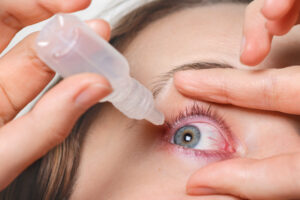
Recognizing symptoms early helps prevent worsening of the condition. Symptoms may vary depending on the type of infection but commonly include:
- Red or bloodshot eyes
- Itching, burning, or irritation
- Watery eyes or thick discharge
- Swollen eyelids
- Sensitivity to light
- Blurred or reduced vision
Pink eye often begins in one eye and can spread to the other. Severe pain, persistent discharge, or sudden vision changes should never be ignored.
Eye Infection Treatment Options
The most effective treatment depends on the underlying cause. Bacterial infections are usually treated with antibiotic eye drops or ointments prescribed by a healthcare provider. Viral infections often resolve on their own, with supportive care such as lubricating drops and cold compresses to ease discomfort.
Fungal or parasitic infections are less common but require specialized medications and close medical supervision. Allergic eye infections improve with antihistamine drops and avoidance of allergens.
Using leftover medication or over-the-counter drops without proper diagnosis may worsen symptoms. Always follow professional guidance for safe and effective treatment.
Preventing Eye Infections
Many eye infections are preventable with simple daily habits. Washing hands frequently and avoiding touching the eyes are basic but powerful measures. Never share eye makeup, contact lenses, or towels, and replace cosmetics regularly.
Contact lens users should follow proper cleaning routines and avoid wearing lenses longer than recommended. Treating sinus and ear infections promptly can also help reduce the risk of infection spreading to the eyes.
When to Seek Medical Help
Although mild infections may improve within a few days, medical attention is necessary if symptoms persist, worsen or affect vision. Immediate care is required for intense pain, light sensitivity or sudden vision loss.
Final Thoughts
Eye infections are common but manageable when addressed early. Understanding the causes, monitoring symptoms, and choosing the correct eye infection treatment can support faster recovery and protect long-term vision. If you suspect that a sinus or ear infection may be affecting your eyes, consulting a healthcare professional is the safest course of action.
Frequently Asked Questions (FAQs)
- What are the most common types of eye infections?
The most common types include conjunctivitis (pink eye), blepharitis, keratitis, and styes. - Are eye infections contagious?
Some eye infections, especially viral and bacterial types, can be contagious through direct contact. - How long does an eye infection usually last?
Most mild infections improve within a few days to a week, depending on the cause and treatment. - Can a sinus infection cause pink eye?
Yes, sinus infections can sometimes spread bacteria or viruses to the eyes, leading to pink eye. - Can an ear infection cause pink eye?
Although uncommon, an ear infection may contribute to pink eye when part of a broader respiratory infection. - What are early infection symptoms to watch for?
Early signs include redness, itching, watery discharge, and mild eye discomfort. - What is the best infection treatment?
The best treatment depends on the cause and may include antibiotics, antiviral care or supportive therapy. - Can eye infections heal without medication?
Some viral infections resolve on their own, but bacterial infections often require medication. - Is it safe to wear contact lenses during an eye infection?
No, contact lenses should be avoided until the infection fully clears.
10. When should I see a doctor for an eye infection?
Seek medical care if symptoms worsen, last longer than a few days or affe